Proper winter nutrition for cyclists
Practical tips for cyclists of all levels.

Omar Gatti
Index
- 1.Proper winter nutrition for cyclists
- 2.Winter nutrition goals
- 3.Carboidrati: dosare senza eliminare
- 4.Fats: hormonal and anti-inflammatory support
- 5.In conclusion
Proper winter nutrition for cyclists
Winter is often seen as a “rest” period for cyclists, but from a nutrition standpoint it’s a strategic phase. It’s the time to rebuild the body, strengthen immunity, and lay the groundwork for the next season.
A well-planned diet in the colder months helps maintain body composition, support adaptation to base training, and prevent the classic energy dips and seasonal bugs.
Winter nutrition goals
In winter, a cyclist’s nutrition priorities shift compared to race season:
• Restore hormonal and immune balance after the sporting season
• Maintain muscle mass even with reduced training volume
• Support adaptation to strength and aerobic endurance
• Manage body weight, avoiding unwanted fat gain
The guiding principle is: fuel, don’t cut. Excessive calorie restriction in this phase can compromise metabolic and hormonal function.
Carboidrati: dosare senza eliminare
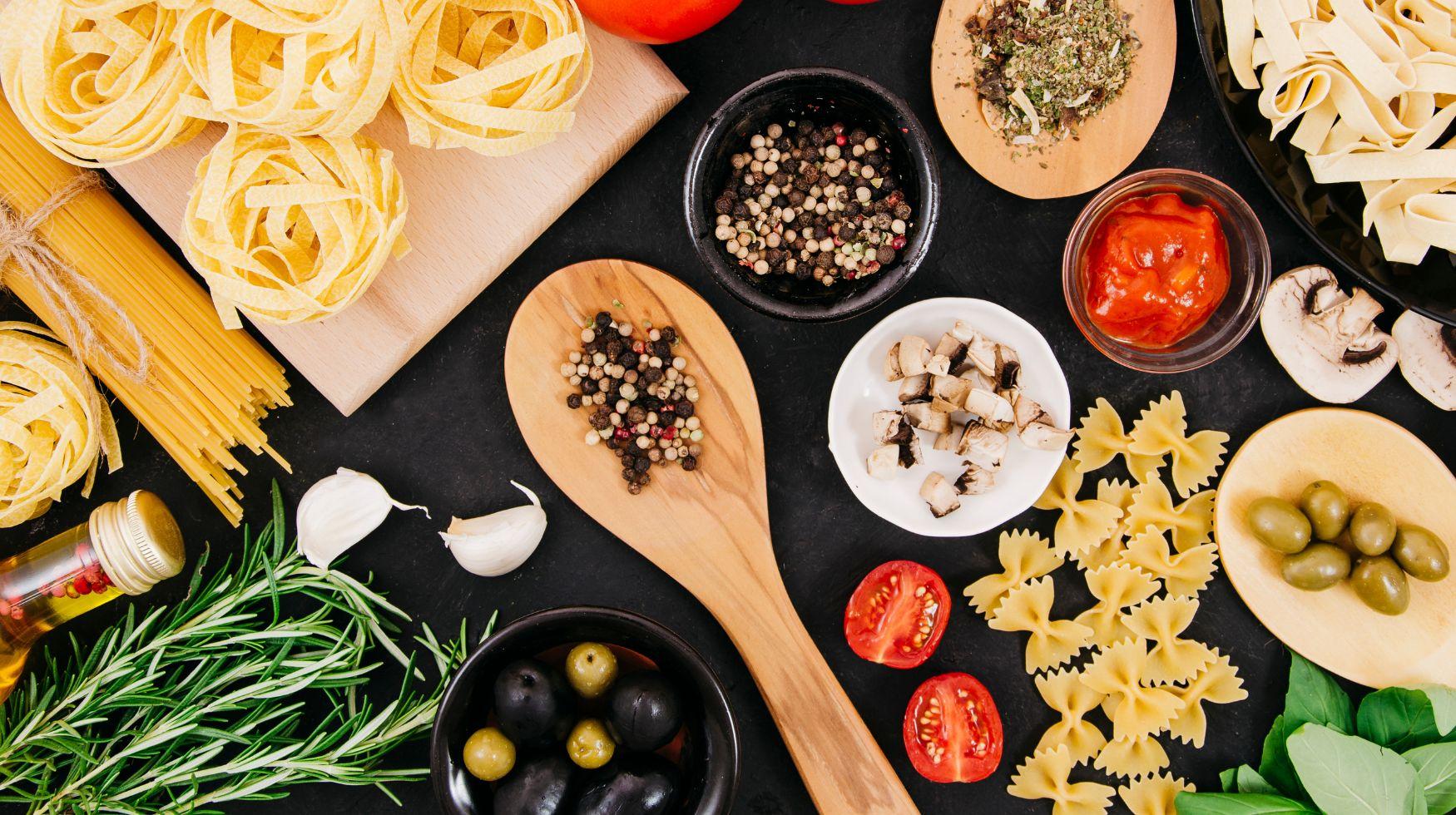
Nonostante l’attività sia meno intensa, i carboidrati restano fondamentali per:
- Fornire energia ai muscoli e al cervello
- Favorire il recupero
- Preservare la funzione immunitaria.
Una riduzione eccessiva dei carboidrati in inverno può aumentare il rischio di malattie e abbassare il metabolismo, per cui il consiglio pratico da seguire è:
- Giorni attivi: 4–6 g/kg di peso corporeo
- Giorni leggeri: 3–4 g/kg, privilegiando fonti integrali e ortaggi amidacei
Proteine: il pilastro per la massa magra
Durante l’inverno il focus si sposta spesso su allenamenti di forza e resistenza aerobica a bassa intensità. Le proteine diventano centrali per sostenere:
- La rigenerazione muscolare
- La sintesi proteica in risposta al lavoro in palestra
- Il sistema immunitario
Dose raccomandata: 1.6–2.0 g/kg/die, distribuiti in almeno 3–4 pasti, con fonti come carne bianca, pesce, uova, yogurt greco, legumi, tofu, proteine del siero (whey).
Fats: hormonal and anti-inflammatory support
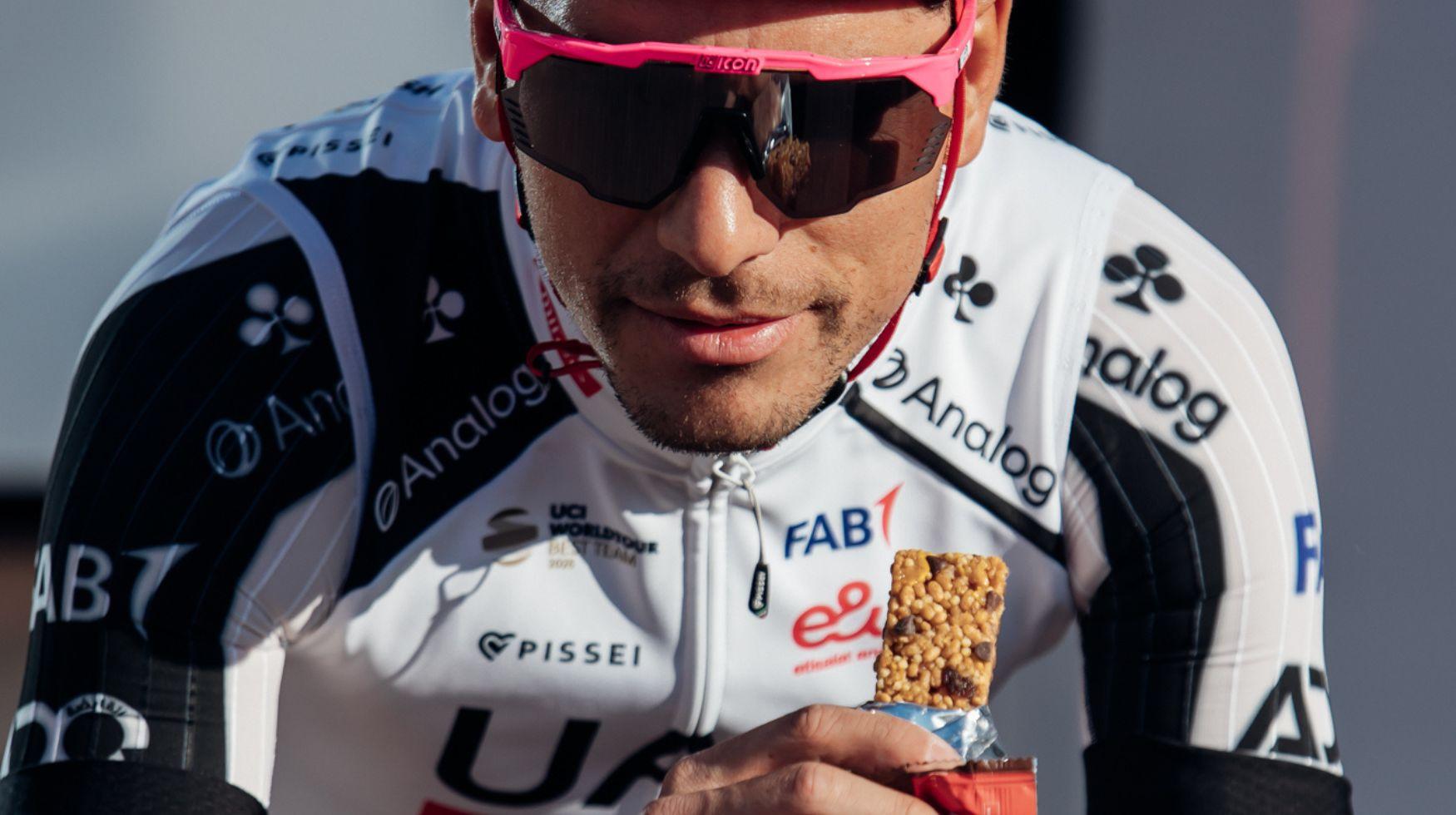
In colder months, healthy fats play a key role in:
• Supporting hormone production (e.g., testosterone, vitamin D)
• Reducing systemic inflammation
• Providing steady energy, especially on low-load days
How to include “healthy” fats—quick guide:
• Recommended: extra-virgin olive oil, nuts, seeds, avocado, oily fish
• Limit: trans fats, fried foods, ultra-processed foods.
Vitamin D: becomes essential
With less sun exposure, skin synthesis drops sharply. Vitamin D deficiency is common in cyclists and can negatively affect:
• Muscle function
• Immunity
• Bone recovery
Suggested dose: 1000–2000 IU/day (ideally after blood tests and under medical supervision)
In conclusion
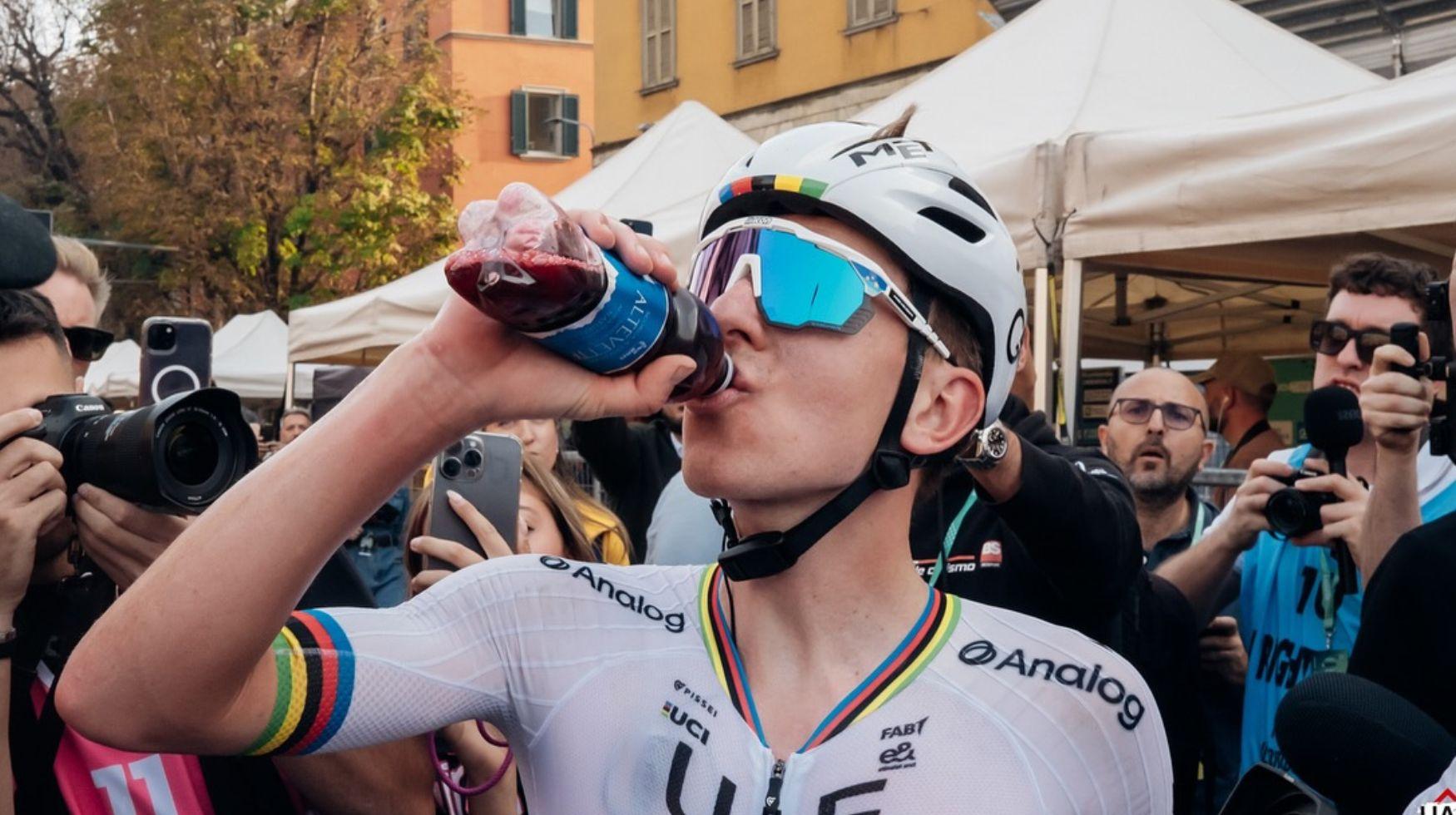
Winter nutrition shouldn’t be underestimated: it’s a strategic part of the annual plan. In this phase, quality matters more than quantity—eating to rebuild, adapt, and prevent issues. A balanced diet, rich in micronutrients and well distributed across the day, sets you up for a strong, healthy, high-energy spring.
Winter is when you plant the seeds. If you face it with awareness, you’ll harvest the rewards under the sun of the first races.